Watercolor Wedding Invitation Element: A Designer's Guide
Understanding the Visual Character of Hand-Painted Florals
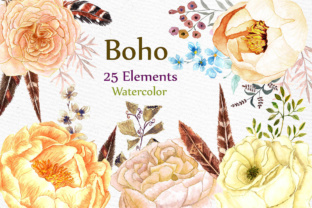
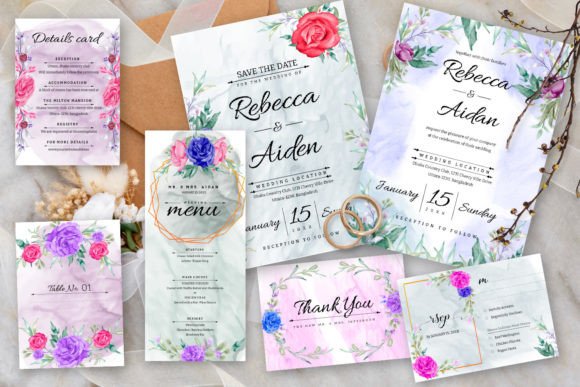
There’s a specific kind of charm that only a hand-painted illustration can bring to a project. It’s organic, slightly imperfect, and full of life. A Watercolor Wedding Invitation Element captures this essence perfectly. It isn't a sterile, computer-generated graphic. Instead, it feels like a genuine piece of fine art that has been scanned and prepared for digital use. The visual personality is soft, romantic, and delicate. You see the subtle bleed of pigment, the gentle gradients, and the textured paper effect that gives the artwork a tactile quality. This style moves away from the hard lines of vector art, offering a softer, more human touch that resonates emotionally with an audience.
The appeal of these elements lies in their versatility and authenticity. Because they are high resolution 4500 px x 4500 px files, you have incredible flexibility. You can use a single flower as a delicate accent on a business card or blow it up to fill a massive poster without losing an ounce of quality. The transparent background is the real game-changer here. It allows you to layer these florals over any color, texture, or photograph seamlessly. You don’t have to worry about awkward white boxes or complex masking paths. It’s ready to drop into your layout, whether you are working on a sophisticated editorial design or a cozy, rustic packaging design.
Practical Applications: From Stationery to Digital Branding
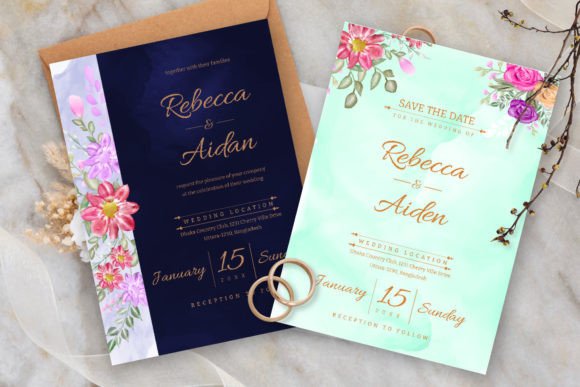
When you invest in a set of design assets like this, you want to know they will work hard for you. The beauty of watercolor flower handdraw painted illustration for wedding invitation sets is that they transcend their original purpose. Yes, they are perfect for wedding stationery decoration—think invitations, RSVP cards, and menus. However, their utility extends far beyond the bridal suite. For graphic designers and marketers, these elements offer a way to soften a corporate identity or add a layer of warmth to a campaign.
Consider the impact on brand identity. If you are building a brand for a boutique hotel, a florist, a high-end spa, or even a lifestyle blog, these floral elements can become a cornerstone of your visual language. Use them in your logo design to frame the typography, or use them as recurring motifs on your website. They work beautifully as web banners or headers for social media accounts promotion. Imagine an Instagram feed where these soft, painted flowers accent your quotes or product shots. It creates a cohesive, professional aesthetic that stops the scroll.
- Physical Products: Ideal for greeting cards, gift wrapping paper, birthday card designs, and textile design for pillows or scarves.
- Digital Content: Perfect for blog headers, YouTube thumbnails, digital planners, and email newsletter graphics.
- Corporate Use: Excellent for cosmetic branding, advertising campaigns, and presentation backgrounds that need a human touch.
The key is to view these not just as "wedding" graphics, but as versatile premium font companions and illustration tools. They bridge the gap between fine art and commercial design, allowing entrepreneurs and small business owners to access high-end aesthetics without commissioning a custom painter.
Integrating Watercolor Elements into Modern Typography
A common challenge for content creators and hobbyists is mixing illustration with text. How do you pair a soft, organic flower with a modern typography layout? The answer lies in contrast and hierarchy. Because the Watercolor Wedding Invitation Element is so expressive, it pairs best with cleaner typefaces. If you are using a bold display font for a headline, try placing a floral spray around it to frame the text without obscuring it. If you are working with a script font or a handwritten font, be careful not to let the loops of the letters get lost in the petals.
Here is a practical approach to font pairing with these assets:
- Contrast is King: Pair the organic watercolor with a geometric sans serif font. The clean lines of the type will anchor the fluid nature of the illustration, ensuring readability.
- Use Serif for Elegance: For a more traditional or editorial look, combine the florals with a sophisticated serif font. This creates a feeling of luxury and timelessness, perfect for high-end branding identity.
- Layering Techniques: Use the transparency to your advantage. Tuck a flower behind a letter to create depth, or let a vine wrap around a text box. This creates a visual hierarchy that guides the eye.
When testing your layouts, remember that these files are 300 dpi - PNG. This is the standard for professional print quality. You can confidently send these designs to a printer for posters, packaging, or wall art without worrying about pixelation. However, for web design, you might want to optimize the file size to ensure fast loading times, though the high resolution ensures they look crisp on retina screens.
Evaluating Fit and Ensuring Professional Results
Before you integrate any creative font or illustration set into your workflow, it is worth taking a moment to evaluate the fit. Ask yourself: does this style support the story I am trying to tell? Watercolor art often conveys emotion, softness, and nature. If you are designing for a tech startup focused on rugged industrial tools, this might not be the right commercial font companion. But if your project involves wellness, beauty, fashion, food, or lifestyle, these elements will enhance your message significantly.
For scrapbooking and personal projects, the high resolution means you can print large formats for gift bags or custom art prints for your home. For graphic designers, the transparent background saves hours of editing time. You don’t need to be a Photoshop expert to make these look good; you simply need to arrange them thoughtfully.
Ultimately, the goal of using a Watercolor Wedding Invitation Element is to inject humanity into your design. In a digital world full of perfect vectors and AI-generated smoothness, the slight bleed of watercolor paint reminds us of the human hand behind the art. Whether you are creating a holiday decoration, a logo, or a social media