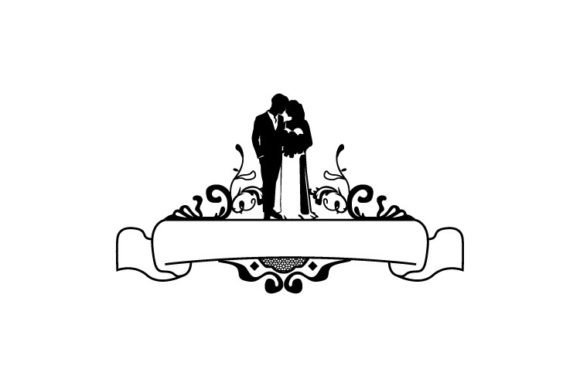
Wedding Silhouette Banner Element Clipart: A Designer's Asset Guide
When you are tasked with creating a cohesive visual identity for a wedding or a romantic event, the details matter more than the big picture. It is often the subtle elements—the corner flourishes, the dividers, and the background textures—that elevate a design from amateur to professional. This is where high-quality assets like the Wedding Silhouette Banner Element Clipart come into play. Unlike a standard typeface or a simple stock photo, this specific design element functions as a versatile bridge between text and imagery, offering a classic, elegant aesthetic that adapts to a multitude of creative contexts.
The Aesthetic Appeal of Silhouette Design
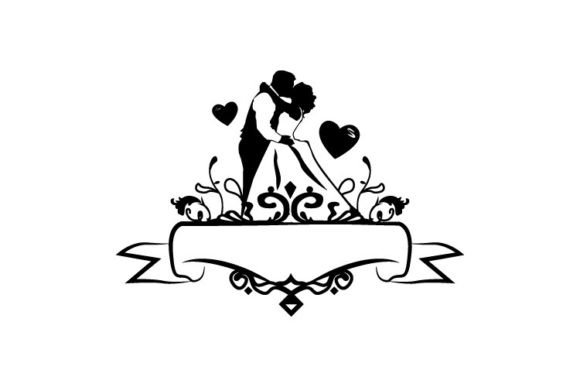
At its core, the visual personality of this clipart set relies on the timeless power of the silhouette. By stripping away internal details and relying solely on shape, silhouette art creates an immediate, high-contrast impact that feels both modern and nostalgic. The visual style here typically features intricate line work, floral motifs, and ornate banner shapes that evoke a sense of luxury without being overly cluttered. It possesses a distinct "lifestyle" quality—think of the elegant cutouts found in high-end stationery or the sophisticated branding of a boutique wedding venue.
This style works exceptionally well because it mimics the look of laser cutting or letterpress, techniques that are highly prized in the wedding industry. The personality of the Wedding Silhouette Banner Element Clipart is sophisticated and romantic, but it remains neutral enough to support a wide range of themes, from vintage garden parties to minimalist modern ceremonies. It does not scream for attention; rather, it whispers of quality and intention, making it a perfect foundational element for a designer’s toolkit.
Strategic Applications for Creators and Businesses
Understanding where this asset fits into your workflow is key to maximizing its value. For graphic designers and small business owners, this clipart is not just a decorative doodle; it is a functional component of brand identity and editorial design.
Print and Stationery
The most obvious application lies in packaging design and stationery. Because the files provided include vector formats (Ai, Eps, Svg) alongside raster formats (Png, Jpg), you have infinite scalability. This is critical for print projects. You can scale the banner element up to serve as a backdrop for a wedding invitation suite, or scale it down to become a delicate motif on a menu card or a napkin wrapper. The vectors ensure that the edges remain crisp and professional, whether printed on textured cardstock or glossy photo paper. For crafters and hobbyists utilizing cutting machines like Cricut or Silhouette, the Svg format is particularly valuable, allowing for precise cuts to create physical decorations or cake toppers.
Digital and Web Environments
In the digital realm, the utility of the Wedding Silhouette Banner Element Clipart extends to web design and social media graphics. For bloggers and content creators, these elements can be used to create consistent "frames" for Instagram stories, Pinterest pins, or YouTube thumbnails. Using the Png format with a transparent background allows you to layer the banner over photos seamlessly. It acts as a container for text, helping to create a visual hierarchy where the headline is clearly separated from the background noise of an image. This improves readability and gives your social feed a curated, professional look.
Branding and Marketing
Entrepreneurs in the event planning space can leverage this asset to build a premium font and visual ecosystem. Imagine a wedding planner’s website where this silhouette element is used as a recurring background texture or a header decoration. This repetition builds brand recognition. It tells the client that you value aesthetics and cohesion. It works beautifully in email marketing headers, digital brochures, and even watermarks for photography portfolios.
Design Principles: Hierarchy and Pairing
One of the most practical aspects of working with decorative elements like the Wedding Silhouette Banner Element Clipart is understanding how they influence visual hierarchy. In design, hierarchy guides the viewer's eye to the most important information first.
When you place text inside or on top of a banner element, you are physically framing that information, signaling to the reader: "This is the headline. Look here first." This is essential in logo design or invitation layouts where you need to prioritize the couple's names over the venue details.
However, a common pitfall is pairing a highly ornate silhouette with an equally busy script font or handwritten font. This creates visual competition. If the silhouette features intricate floral swirls, pair it with a clean sans serif font for the secondary text, or a very legible, bold serif font for the header. The contrast between the decorative banner and the clean typography creates balance. Conversely, if the silhouette is minimalist and geometric, you might pair it with a more expressive script font to add warmth.
Evaluating the Asset and Licensing
Before integrating any design asset into a commercial project, a professional evaluation is necessary. The inclusion of multiple file formats—Ai, Eps, Png, Jpg, Svg—is a strong indicator of a versatile design asset. Here is how to approach the selection process:
- Check the Vectors: Open the Eps or Ai files in your vector software. Ensure that the paths are clean and not overly complex, which can slow down your printing process or software performance.
- Review Transparency: Ensure the Png files are truly transparent and do not have a white box around them, which would ruin the overlay effect on colored backgrounds.
- Test Scalability: Zoom in on the Svg files to ensure the curves remain smooth. "Pixelation" in a vector file is a red flag for poor quality.
- Commercial Licensing: This is non-negotiable for business owners. Verify that the license allows for the creation of end-products for sale (e.g., selling wedding invitations to clients) rather than just personal use. If you are a designer creating a logo for a client, you need to ensure the license transfers or allows for that usage.
Conclusion
The Wedding Silhouette Banner Element Clipart is more than just a pretty picture; it is a functional tool for visual communication. By utilizing its vector scalability and timeless aesthetic, designers and creators can significantly enhance the professionalism of their projects. Whether you are designing a high-end wedding suite, building a brand identity for an event space, or creating engaging social media content, this asset provides the structural support needed to make your typography and messaging shine. Focus on the quality of the files, respect the licensing terms, and use the element to create a clear visual hierarchy that guides your audience exactly where you want them to look.