Watercolor Floral Wedding Card Template: A Designer's Guide
Understanding the Template's Visual Charm
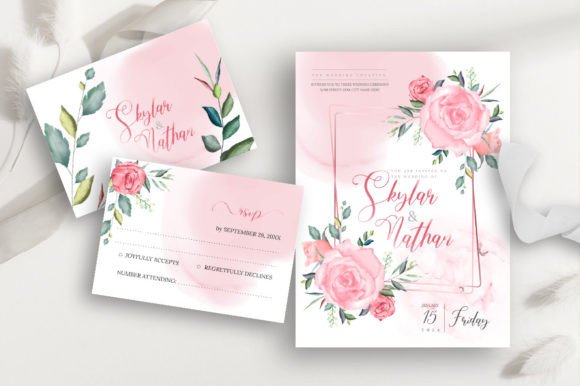
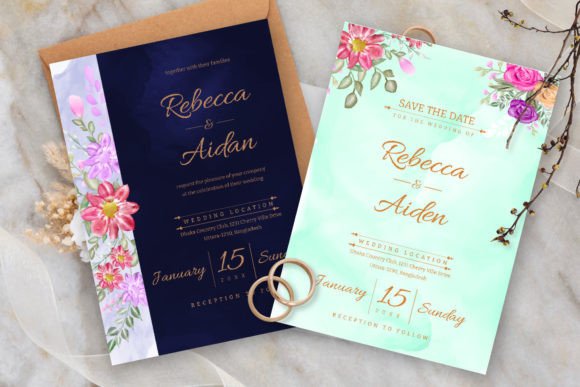
A Watercolor Floral Wedding Card Template brings an immediate sense of organic elegance and handcrafted artistry to wedding stationery. This particular template, featuring watercolor dusty rose and greenery leaves, offers a sophisticated and romantic aesthetic. The visual characteristics are soft, textured, and naturally flowing. The dusty rose provides a muted, contemporary blush tone that feels both warm and understated, avoiding the brightness of traditional pink. Paired with sage and olive greenery leaves, the palette achieves a balanced, earthy sophistication. The watercolor effect gives each element a unique, imperfect quality, with gentle color bleeds and subtle texture variations that digital prints often lack. This creates a personality that is romantic, timeless, and slightly bohemian, appealing to couples seeking a design that feels personal and artisanal rather than overly formal or generic.
The overall appeal lies in its versatility. This style bridges classic romance with modern organic trends. It doesn't scream for attention but rather invites it through delicate beauty. For designers and entrepreneurs, this template isn't just a pre-made design; it's a foundational asset. The vector format allows for complete customization—scaling elements without quality loss, recoloring to match specific wedding themes, or repositioning floral arrangements. The included EPS and JPG files provide flexibility for various workflows, ensuring compatibility whether you're using Adobe Illustrator, CorelDRAW, or other vector editing software.
Practical Applications Beyond Wedding Invitations
While its primary purpose is clear, the strengths of a Watercolor Floral Wedding Card Template extend into numerous creative and commercial projects. Its elegant, natural style makes it a valuable design asset for building a cohesive brand identity, particularly for businesses in the lifestyle, wellness, beauty, or artisanal goods sectors. Imagine using these floral elements as part of a logo design for a boutique florist, a spa, or a organic skincare line. The watercolor texture adds a layer of authenticity and warmth that can make a brand feel more approachable and trustworthy.
In marketing and publishing, these templates can be adapted for a range of materials. The delicate graphics work beautifully for editorial design in wedding magazines or blog headers. They can enhance social media graphics for event planners or wedding photographers, creating a consistent visual language across platforms. For packaging design, a subtle floral pattern derived from the template could decorate boxes, labels, or shopping bags for products like artisanal candles, teas, or handmade soaps. The key is recognizing that you're not just getting a wedding card; you're acquiring a library of high-quality, editable floral illustrations and a pre-established color palette.
- Branding & Logo Design: Use isolated floral elements to create elegant monograms or secondary brand marks.
- Editorial & Web Design: Incorporate the watercolor leaves as section dividers, background textures, or hero image accents for blogs and websites.
- Social Media & Digital Marketing: Create cohesive Instagram stories, Pinterest pins, or Facebook event covers that align with a romantic or natural brand voice.
- Print & Packaging: Adapt the design for thank you cards, product hang tags, or boutique shopping bags.
Choosing and Implementing the Template Effectively
Selecting the right creative font pairing is crucial when working with a template like this. The Watercolor Floral Wedding Card Template often pairs best with clean, simple typefaces to avoid visual clutter. A modern sans serif font for body text provides excellent readability and creates a pleasing contrast with the ornate floral graphics. For headlines or names, a refined script font or a classic serif font can complement the elegance, but it's essential to test for legibility, especially at smaller sizes. Avoid pairing it with another highly decorative or handwritten font, as this can compete with the artwork and make the text difficult to read.
When evaluating the template for a project, consider the mood you need to convey. The dusty rose and greenery palette is inherently romantic and soft, making it ideal for weddings, feminine brands, and gentle communications. It might not be the best fit for a corporate tech startup or a rugged outdoor brand. Always review the included styles and assets. Does the template provide enough variation in the floral arrangements? Are the vectors clean and well-organized for easy editing? Check the commercial licensing terms carefully. A premium font or template should include a clear license that permits use in the projects you have in mind, whether for personal client work or commercial products for sale.
Practical testing is non-negotiable. Before finalizing any design, print a sample or view it at actual size on screen. Assess the readability of all text, especially the smaller details like RSVP information or venue addresses. Ensure the color contrast between the text and the watercolor background is sufficient. Use the provided bleed areas correctly to avoid unprinted edges in the final product. The real-world value of such a template is realized not just in its beauty, but in its adaptability and the professionalism it can lend to your work, saving you time while elevating the end result.