Classic Wedding Invitation Template in V: Timeless Design for Your Special Day
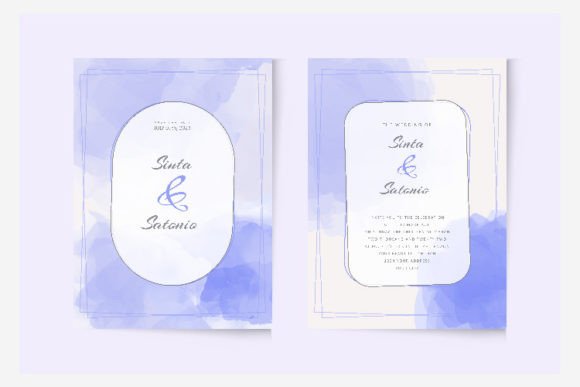
There’s a particular kind of elegance that never fades. It’s the elegance of handwritten vows, of vintage lace, of soft candlelight reflecting off fine paper. Capturing that feeling in a tangible object is the goal of every couple planning their wedding. The Classic Wedding Invitation Template in V is designed to do exactly that, offering a bridge between cherished tradition and contemporary design needs. This isn’t just a template; it’s a starting point for creating the first physical heirloom of your marriage.
Anatomy of a Timeless Aesthetic
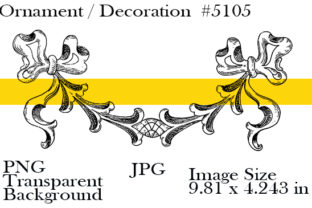
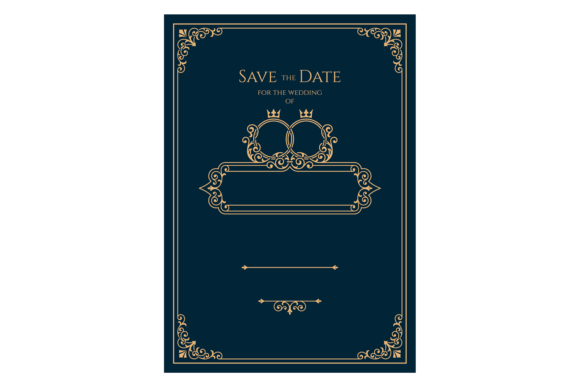
At its core, the Classic Wedding Invitation Template in V is a study in vintage filigree style. Imagine the intricate, swirling patterns of wrought iron gates or the delicate borders of an antique bookplate. Those organic, flowing lines form the frame, creating a sense of luxury and artistry without overwhelming the text. The "V" in its name likely refers to a prominent decorative element or a layout style that draws the eye, perhaps in a monogram or a central vignette. The overall personality is one of refined romance—formal yet warm, detailed but not cluttered. It appeals to those who appreciate craftsmanship and history, making it perfect for weddings with classic, romantic, garden, or black-tie themes.
As a vector illustration provided in EPS, JPG, and SVG formats, the template’s true strength lies in its flexibility. The vector files (EPS and SVG) are the workhorses for designers. They allow for infinite scaling from a small place card to a large welcome sign without any loss of quality. Every swirl and flourish remains crisp. The JPG offers a ready-to-use raster image, ideal for quick digital previews or for those working in basic photo editing software. This multi-format approach makes the asset accessible to professional designers using Adobe Illustrator and to enthusiastic hobbyists using platforms like Canva or Procreate.
Beyond the Envelope: Strategic Applications
While its name suggests a single use, the true value of a premium font or template set like this is its versatility across a project’s entire visual identity. The filigree elements and classic typography within the Classic Wedding Invitation Template in V can be deconstructed and repurposed to build a cohesive brand identity for the wedding itself.
- Print Suite: The obvious starting point. Use the core template for the invitation, then adapt the borders, motifs, and font pairing for save-the-dates, RSVP cards, details cards, and wedding programs. Consistency here builds anticipation and sets the tone.
- Day-of Decor: Extract the decorative elements to create menu cards, table numbers, escort cards, and favor tags. The vector format allows you to resize these flourishes to fit any physical item perfectly.
- Digital Extensions: The style translates beautifully to web design for a wedding website, ensuring a seamless experience from mailbox to monitor. Use the elements to create cohesive social media graphics for engagement announcements or a custom hashtag banner. The SVG format is particularly useful for web graphics, ensuring fast loading and sharp display on all screens.
- Commercial Use for Creatives: For designers, planners, and small business owners, this is a valuable design asset. It can be the foundation for a client’s bespoke stationery suite or incorporated into packaging design for wedding-related products like candles, soaps, or confections. The included commercial license is key here, allowing you to use the work in projects for profit.
Designing with Intention: Practical Guidance
Choosing the right template is about more than just picking a pretty picture. It’s about ensuring the tool fits the task. Here’s how to evaluate and implement the Classic Wedding Invitation Template in V effectively.
Evaluate the Project Fit: Before committing, look beyond the sample text. Does the vintage filigree style align with your wedding’s venue and overall mood? A heavily ornate template might feel out of place for a minimalist backyard ceremony, but perfect for a formal estate wedding. Consider the visual hierarchy—is the space for your names and details prominent enough? The template should serve your content, not fight it.
Test Font Pairings and Readability: The template likely comes with suggested script font or serif font pairings. While beautiful, scripts can be challenging for readability, especially at smaller sizes or for older guests. Test the body text for essential information like dates, times, and addresses. You may need to pair the decorative script with a cleaner, highly legible sans serif font for the details. Print a test copy at actual size. Hold it at arm's length. Can you read it easily in good light? This simple test is crucial.
Leverage the Included Styles: A well-designed template pack often includes variations. Look for different colorways, simplified versions with less filigree, or alternate layouts. This allows you to maintain the style across different pieces without visual monotony. For instance, use the full, ornate version for the main invitation and a cleaner version with just the border for the thank-you cards.
Understand the License: For personal use, licensing is straightforward. If you’re a designer, blogger, or entrepreneur planning to use the template in work for clients or in products for sale, you must ensure you have the appropriate commercial font and asset license. This protects both you and the original creator. Reputable sources will clearly state the terms—whether it’s for unlimited personal projects, a single commercial project, or extended commercial use.
Ultimately, the Classic Wedding Invitation Template in V is more than a decorative file. It’s a toolkit for storytelling. By understanding its aesthetic roots, exploring its applications beyond the invitation, and applying it with thoughtful consideration for readability and licensing, you can transform a beautiful design into the cornerstone of a memorable and cohesive celebration. It provides the professional polish and timeless charm that helps a wedding’s visual narrative begin long before the first guest arrives.